
Refrigeration Cycle: Open Drive vs Hermetic
Another way compressors are categorized is by the way the motor and compressor are mounted and contained. With “open drive” compressors, the motor and the compressor are mounted separately. The shaft that connects the motor to the compressor must be sealed to prevent refrigerant leakage from the compressor. Open-drive compressors are widely used in industrial applications. An advantage of open-drive compressors is that the motor and compressor are accessible and can be serviced separately from each other. The risk of leakage is the primary downside of this configuration. 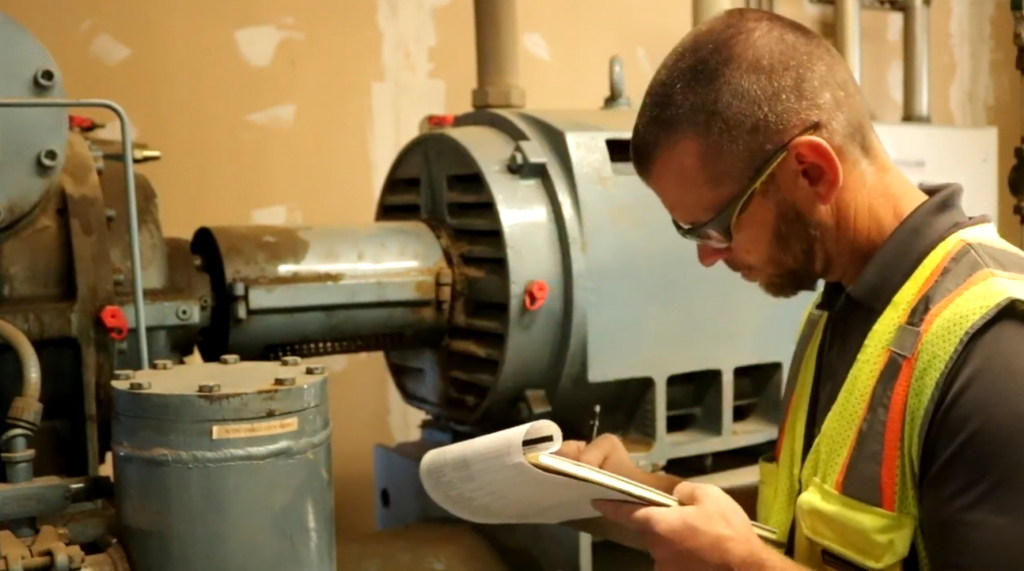
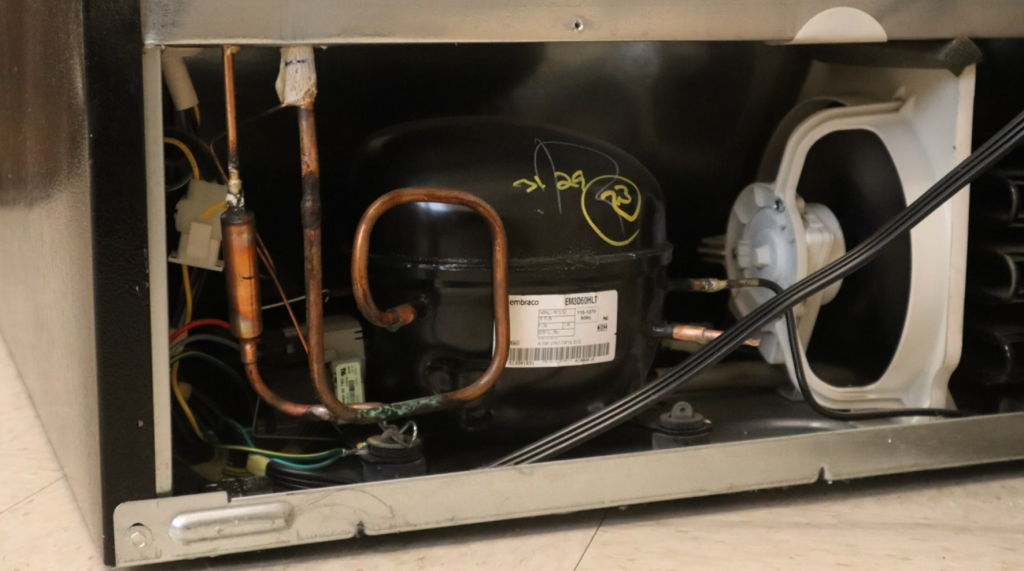
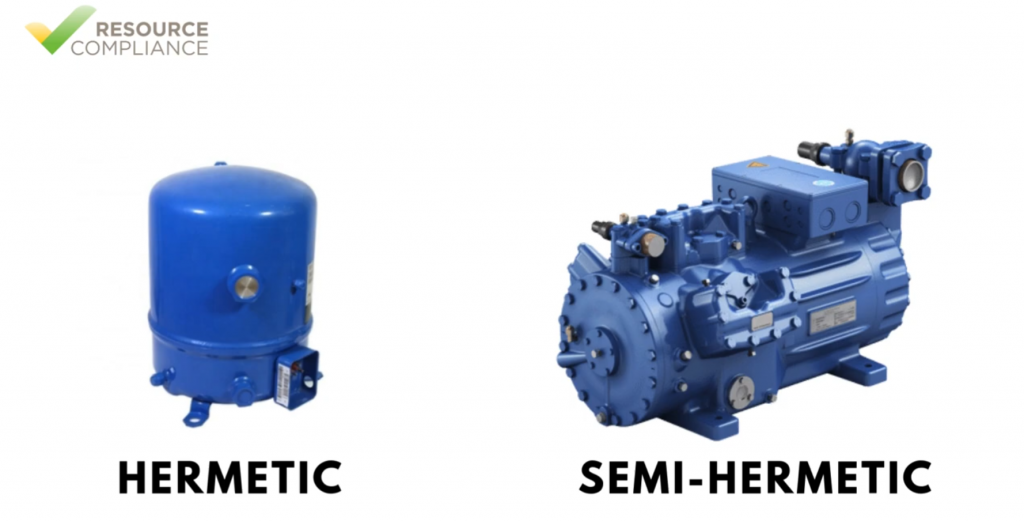
“Hermetically sealed” compressors are a second category. The word “hermetic” means “complete and airtight”. That definition is apt, because the motor, compressor, and all moving parts are contained within a single welded steel shell in a hermetically sealed compressor. Therefore, the risk of leakage from the shaft no longer exists in hermetic compressors. The downside of this category of compressors is that the internal components are not serviceable, so if the motor fails, the entire compressor must be replaced because the enclosure is sealed shut. Another disadvantage of hermetically sealed compressors is that all of the heat from the motor is transferred into the refrigerant that flows freely around the motor windings. More damage to the system can occur when a hermetically sealed motor burns out. Breakdown of the motor components can contaminate the refrigerant and form hazardous acids, among other things. Hermetically sealed compressors are widely used in household refrigerators and air-conditioning systems.
A “semi-hermetic” compressor differs from a fully-hermetic machine in that instead of the shell being welded shut, it is bolted shut. This allows the shell to be opened, if necessary, for servicing internal components.
Leave a Reply