
Refrigeration Cycle: Refrigeration Compressors
The ‘compressor’ is the heartbeat of the vapor-compression refrigeration system. Without it, there is no pressure differential to drive the movement of refrigerant throughout the system, and therefore, no cooling can take place.
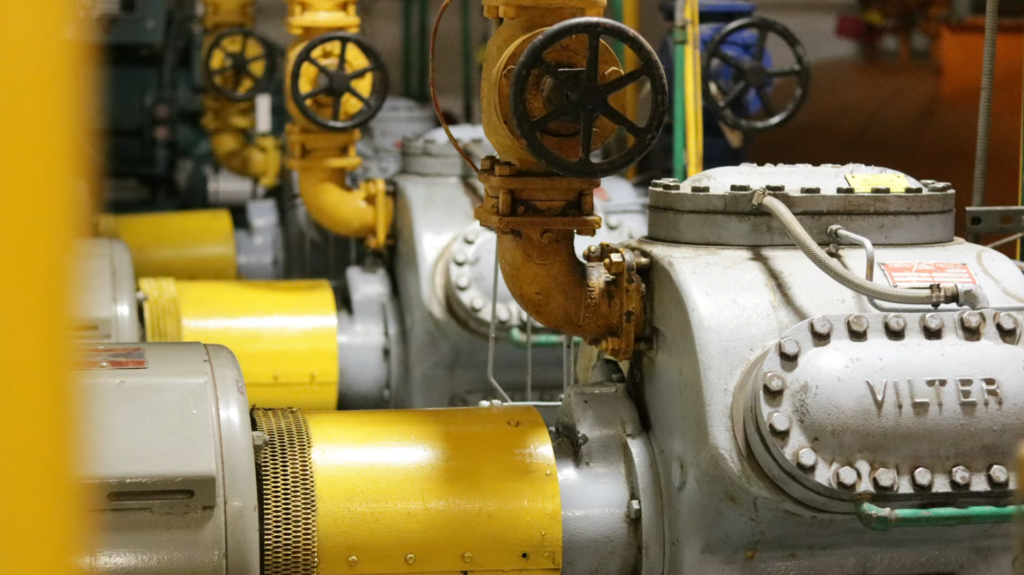
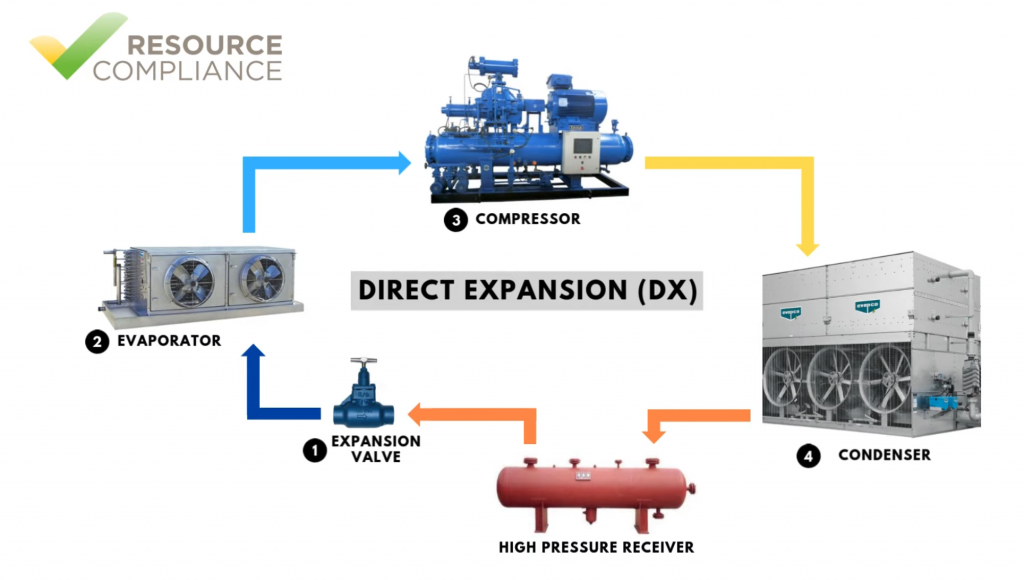
The vapor exiting the evaporator is piped to the compressor which stands ready to receive the vapor and compress it. The compression process not only increases the pressure of the vapor, but also increases the temperature. Therefore, increasing the temperature is necessary since the condenser cannot reject heat unless the refrigerant is at a higher temperature than the heat rejection media, which is typically the ambient air.
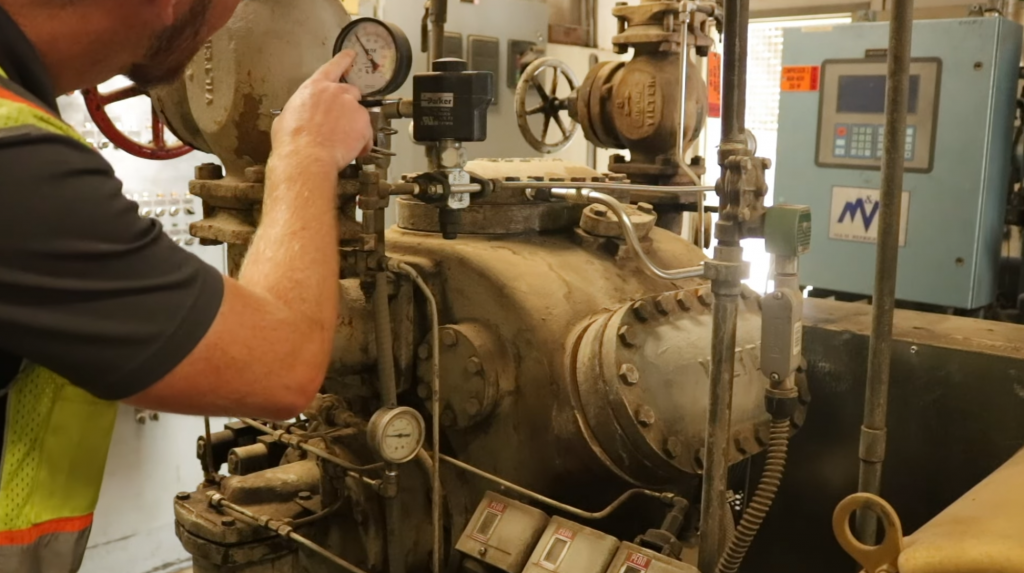
The pressure generated in the compressor moves the refrigerant throughout the cycle. In other words, without a compressor, we cannot have a refrigeration cycle.
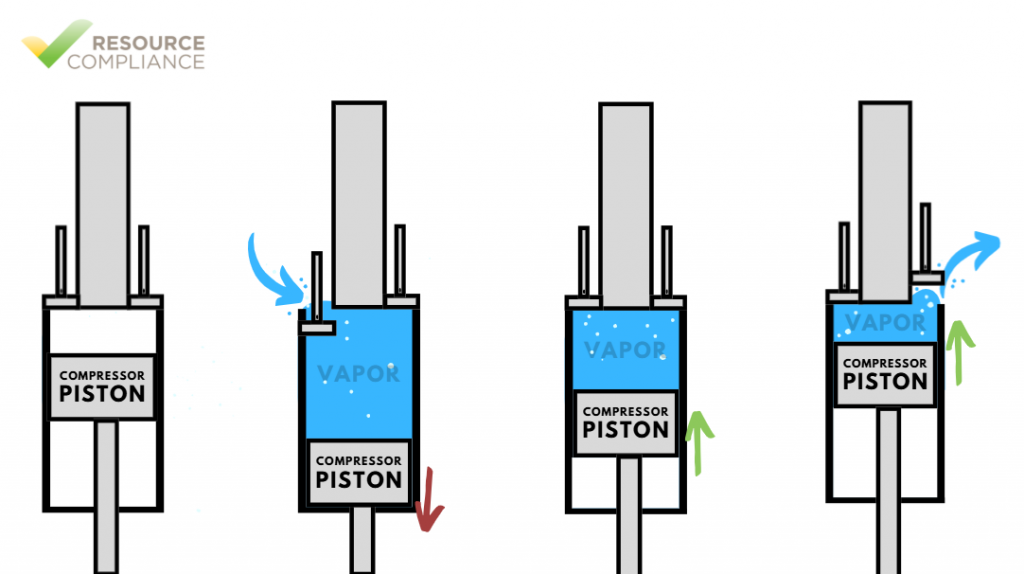
Broadly speaking, there are two categories of refrigeration compressors: ‘dynamic displacement’ and ‘positive displacement’. In positive displacement compression, the refrigerant vapor is drawn into a compression chamber, trapped, and then the volume of the chamber is reduced.
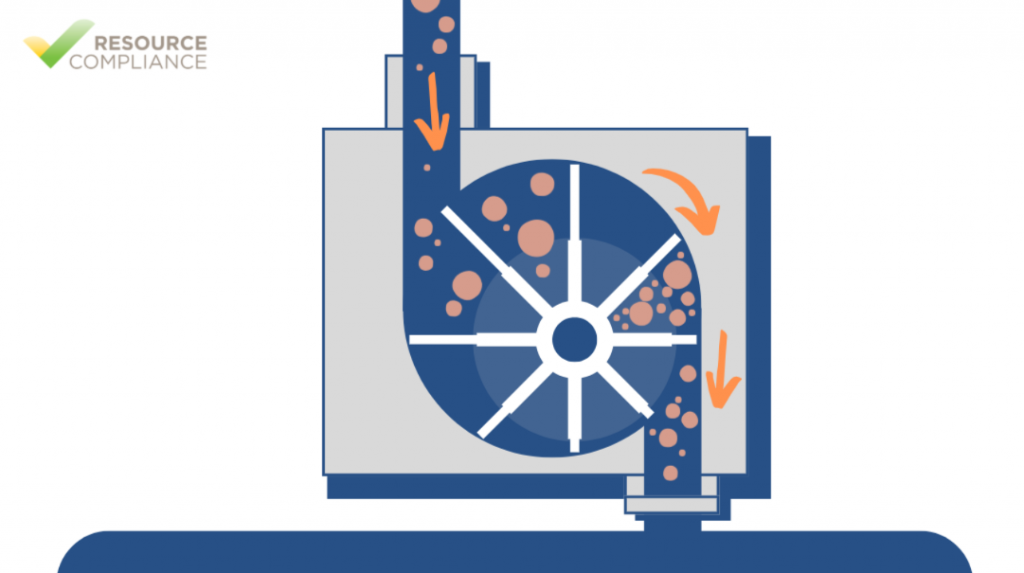
Dynamic displacement compression, on the other hand, works by increasing the velocity of the refrigerant vapor and then increasing the flow area which causes the kinetic energy to be converted into a pressure increase.
Leave a Reply