
Properties of Refrigerants: Refrigerant Selection Factors
When selecting a refrigerant, many factors influence the decision. It is important to remember that no refrigerant is perfect. One might have wonderful thermodynamic properties, but it is highly flammable. Another refrigerant may be safe for humans to handle, but it negatively impacts the environment. Selecting a refrigerant for a specific application involves careful consideration of the following factors:
Operating Pressures
One factor that affects refrigerant selection is “operating pressures”. All other things being equal, a good refrigerant will have a low condensing pressure and a high evaporator pressure.
A low “condensing pressure” is preferred because higher pressures typically require more compressor horsepower. Additionally, operating at high pressures requires equipment, piping, and appurtenances to be designed for that pressure, which increases the cost of equipment.
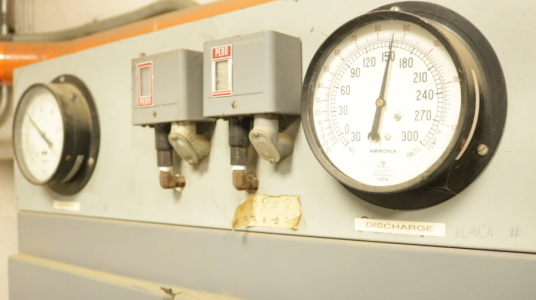
When considering the evaporator pressure, a higher pressure is advantageous. Specifically, it is ideal if the evaporator pressure is above atmospheric pressure, or 0 psig. When the pressure is above atmospheric pressure, a leak will cause refrigerant to escape the system, which can be detected and corrected. When a system operates below atmospheric pressure, which we call “a vacuum”, leaks will result in air being sucked into the system.
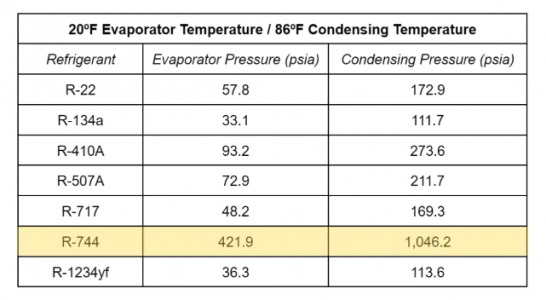
The table below compares the condensing and evaporator pressures for several common refrigerants. As you can see from the table, carbon dioxide R-744 stands out because of its high pressures. Most refrigerants have maximum condensing pressures between 100-300 psia.
Operating Temperatures
The operating temperature is another refrigerant selection factor that must be considered. Extreme temperatures can require specially designed equipment. Furthermore, personnel safety is also a concern as skin burns and frostbite are both potential risks if a pipe or equipment is accidentally touched.
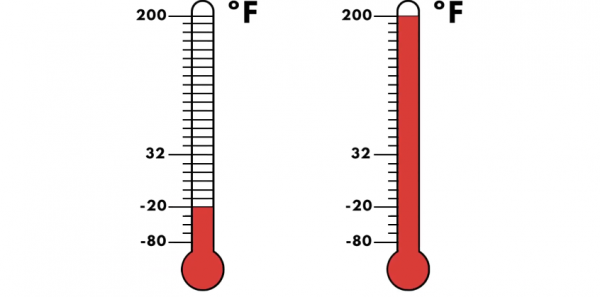
On the low temperature side, equipment must be designed for the lowest possible temperature that the system will operate.
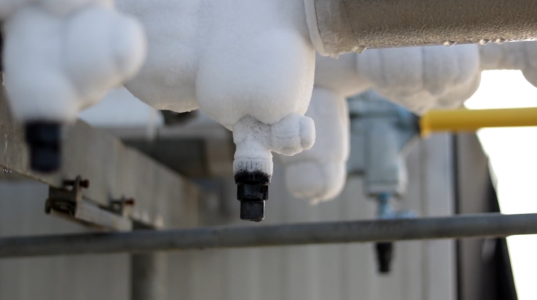
The temperature in any refrigeration system is highest at the outlet of the compressor. This temperature is referred to as the “discharge temperature”.
Equipment Selection
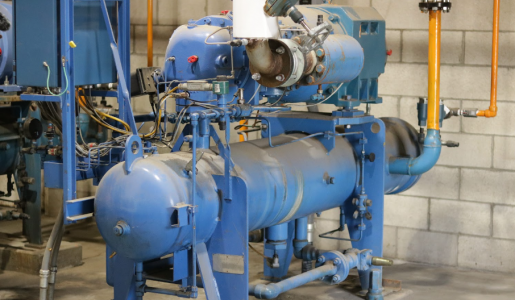
The choice of refrigerant has a direct impact on the equipment needed to operate the system. Each refrigerant has a unique density that affects the size of pipes and equipment that are used.
Cost and Availability
Silver is the most conductive metal available and is better than copper in many ways. Then why aren’t electric wires made of silver? The answer is simple…Because silver carries a hefty price tag, most applications settle for copper as a suitable alternative. In the same way, one refrigerant may have superior thermodynamic properties compared to another, but if it is too expensive, it may be cost-prohibitive for the project budget, and another refrigerant will be selected.
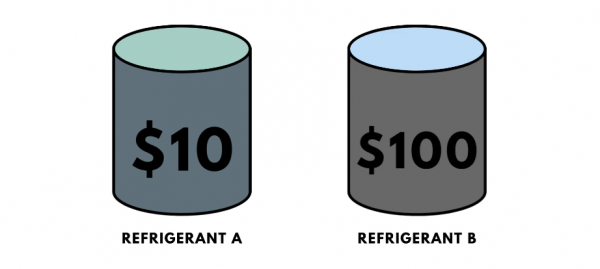
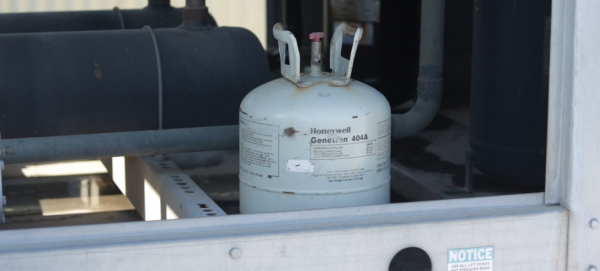
“Availability” is another selection factor. If a refrigerant is hard to get your hands on, it may be an unacceptable risk since recharging a system quickly after a leak is often a high priority. For example, since many halocarbons are in the process of being phased out, their availability in the future is a real concern.
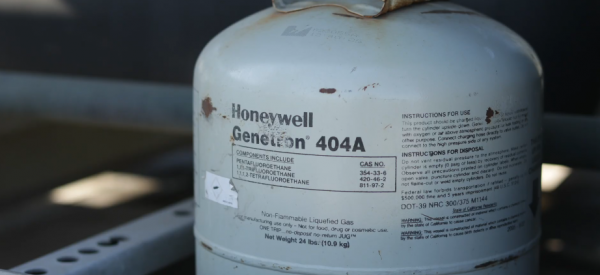
Safety and Handling
Safety and handling are important considerations when selecting a refrigerant. Some questions that should be asked are:

Environmental Concerns and Regulations
The first refrigeration regulations in the United States were introduced in the 1980s. During the previous decade, scientists became alarmed that CFCs were collecting in the stratosphere. Chlorine molecules from the refrigerants were reacting with the ozone layer, causing it to be depleted.

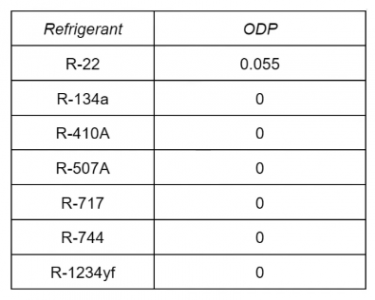
This led to a multi-national agreement called the “Montreal Protocol” which regulated and eventually banned CFCs. By 1990, 56 countries had signed on to the Montreal Protocol. Around this time, refrigerants began being rated by their “ozone depletion potential” or ODP.
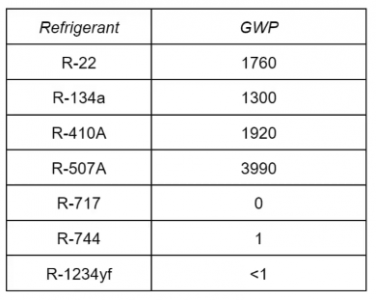
“Global Warming Potential” or GWP is another refrigerant characteristic that was introduced in the 1990s. The International Panel on Climate Change, or ICPP, developed “global warming potential”, or GWP, ratings for refrigerants.
While natural refrigerants are cheered for being environmentally friendly, the Clean Air Act also authorized OSHA to adopt the “Process Safety Management”, or PSM program and EPA to enact the “Risk Management Program”, or RMP. PSM and RMP aim to prevent accidental releases of hazardous chemicals. The California Accidental Release Prevention, or CalARP, program is applicable at any facility in California with more than 500 pounds of anhydrous ammonia in a single system. Similarly, the California Air Resources Board has enacted some of the most stringent laws regarding halocarbon use.

Leave a Reply