
Refrigeration Cycle: Water-Cooled Condensers
A “water-cooled condenser” is a heat exchanger that uses circulating water to reject heat from the refrigerant. Typically, water-cooled condensers utilize shell and tube, plate and frame, or plate and shell heat exchanger designs. Unlike air-cooled condensers, which use ambient air for heat rejection, water-cooled condensers rely on water as the cooling medium, providing efficient heat transfer and enhanced performance, compared to most air-cooled condenser designs.
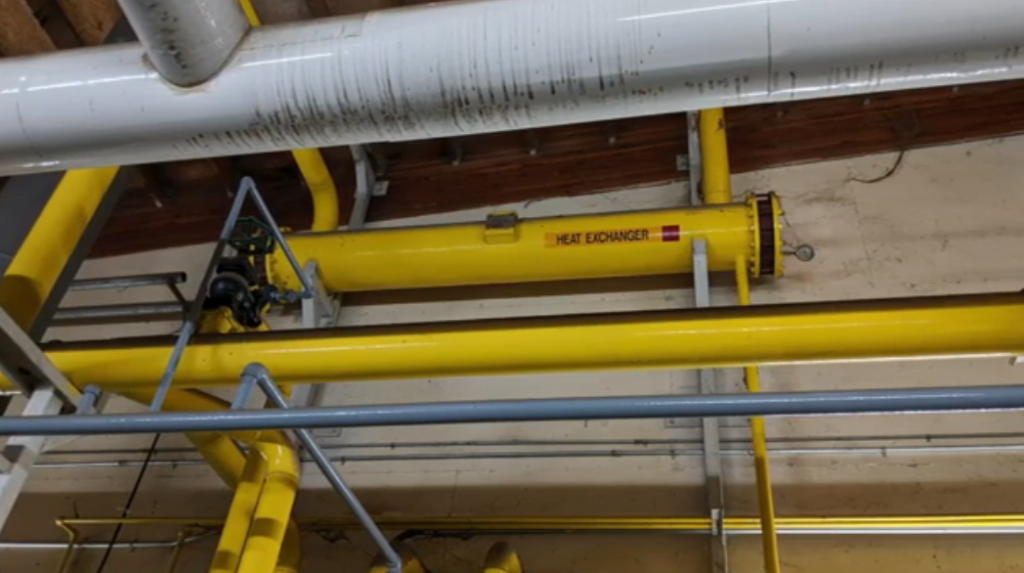
A “shell and tube condenser” consists of a cylindrical shell housing multiple tubes, which provide a large surface area for heat transfer. The refrigerant and water flow through separate paths, allowing heat exchange to occur efficiently. Typically, the refrigerant flows through and surrounds the tubes, while the water is circulated through the tubes.
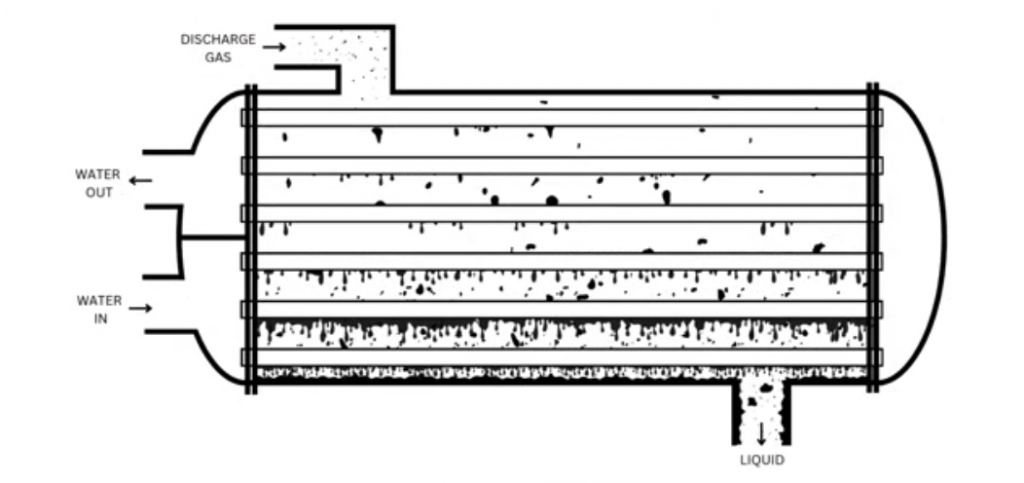
Shell and tube condensers provide efficient transfer due to their large surface area. Furthermore, most shell and tube condensers are ASME-stamped heat exchangers making them durable for industrial applications. The tubes are typically constructed of carbon or stainless steel for ammonia systems. Halocarbon systems, however, will utilize copper tubes, which provide better heat transfer capabilities.
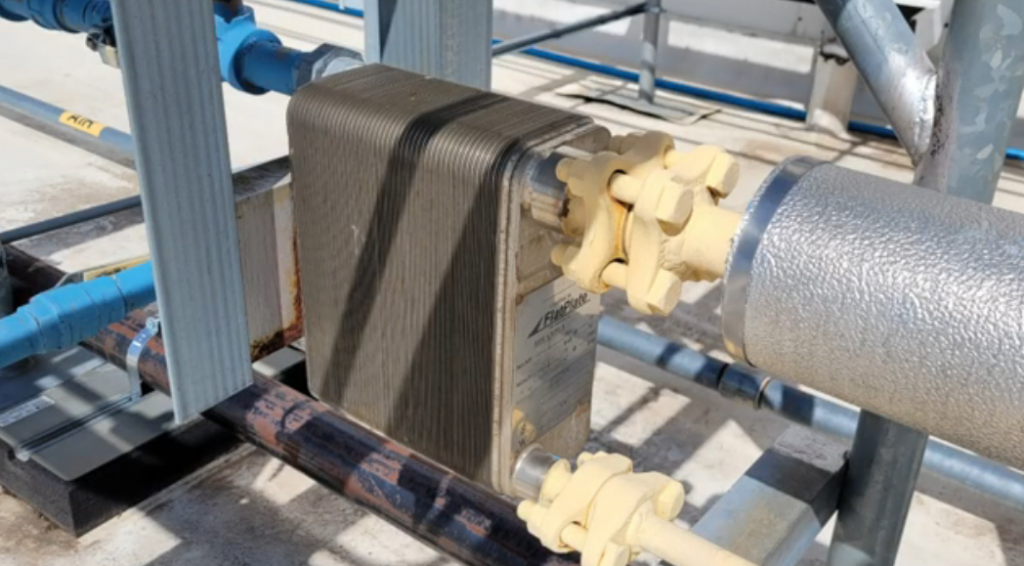
A “plate and frame condenser” consists of a series of thin, corrugated metal plates, typically made of stainless steel. Each plate has a gasket that seals the plate edges to ensure the fluids do not mix. Small plate and frame heat condensers are often seal welded to negate the need of gaskets altogether. Plate and frame heat exchangers are attractive because of their compact size, high efficiency, and ease of maintenance.
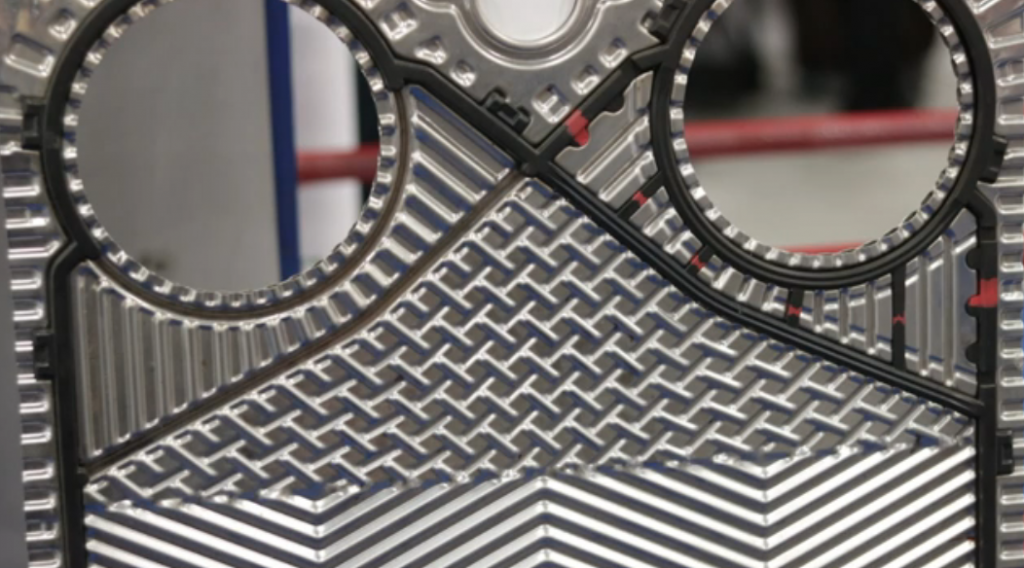
A pair of plates is often called a “cassette”. The number of cassettes required will depend on the evaporator load. The cassettes are held together in a “frame”. The frame can be adjusted to add or remove plates if the refrigeration needs change. In a plate and frame condenser, refrigerant enters the unit on one side of the plates and the cooling water on the other side. A big advantage of a plate and frame condenser is that the plate design, and narrow channels, provide tremendous surface area within a small footprint. As the refrigerant condenses, it collects at the bottom of the unit and drains by gravity to the receiver.
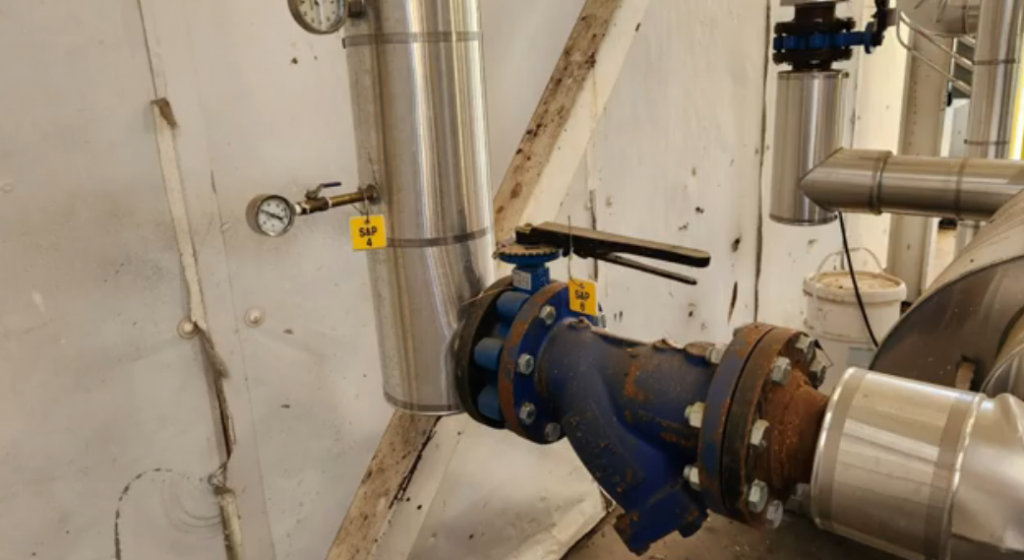
A “plate and shell condenser” is a hybrid design that combines features of both the plate and frame and shell-and-tube designs, enhancing thermal efficiency and structural robustness. Plate and shell condensers consist of a cylindrical outer shell, similar to a shell-and-tube heat exchanger, but instead of using tube bundles, they incorporate a pack of corrugated metal plates housed within the shell, like a plate and frame heat exchanger.
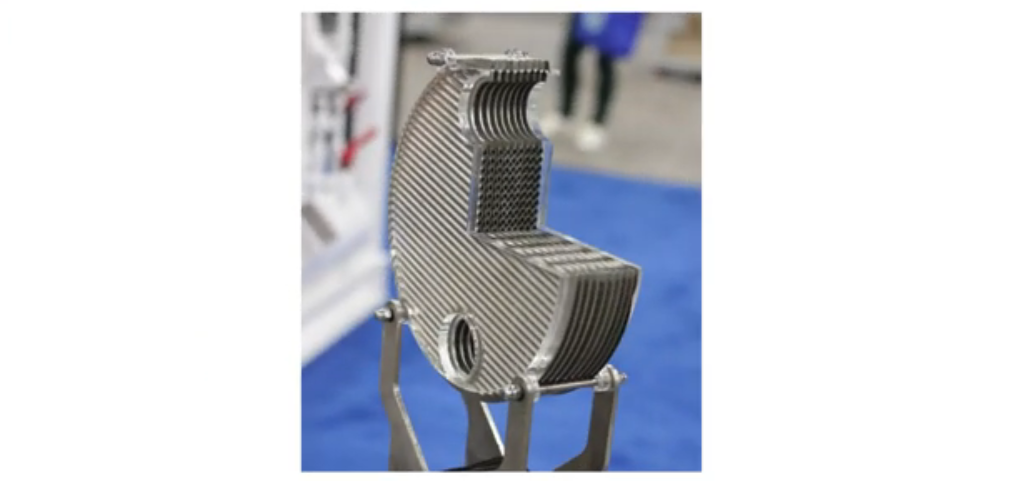
In many refrigeration applications, the shell is fully welded. This reduces the risk of a leak, which is a benefit, but also prevents the heat exchanger from being modified.
Leave a Reply