
Refrigeration Cycle: Rotary Vane Compressor
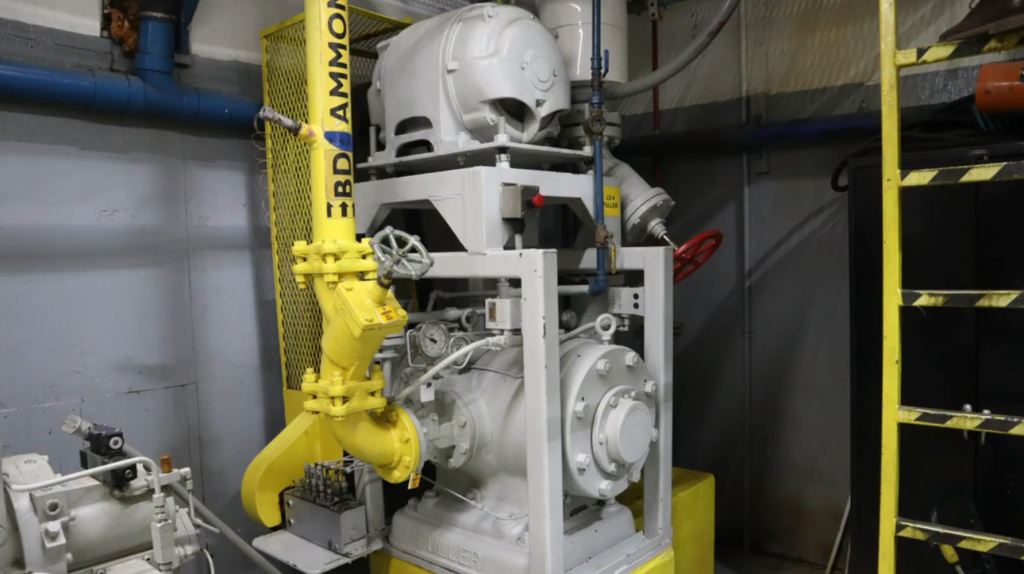
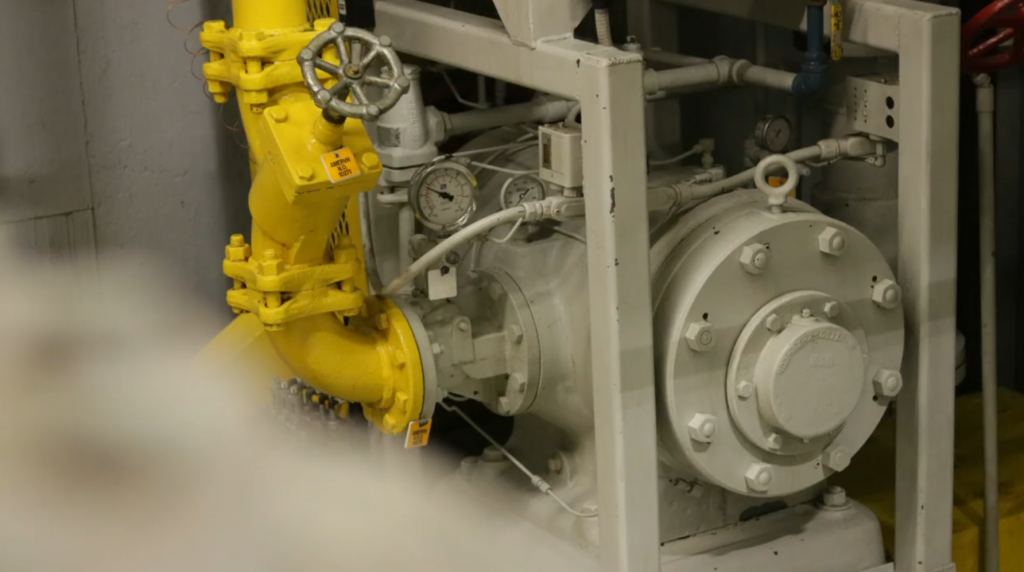
“Rotary vane compressors” are a third type of positive displacement compressor. The design of these machines makes them well suited for “high volume”, low-pressure differential applications. As such, rotary vane compressors are essentially limited in application as “booster compressors” in two-stage systems. The maximum compression ratio of a rotary vane compressor is 4:1.
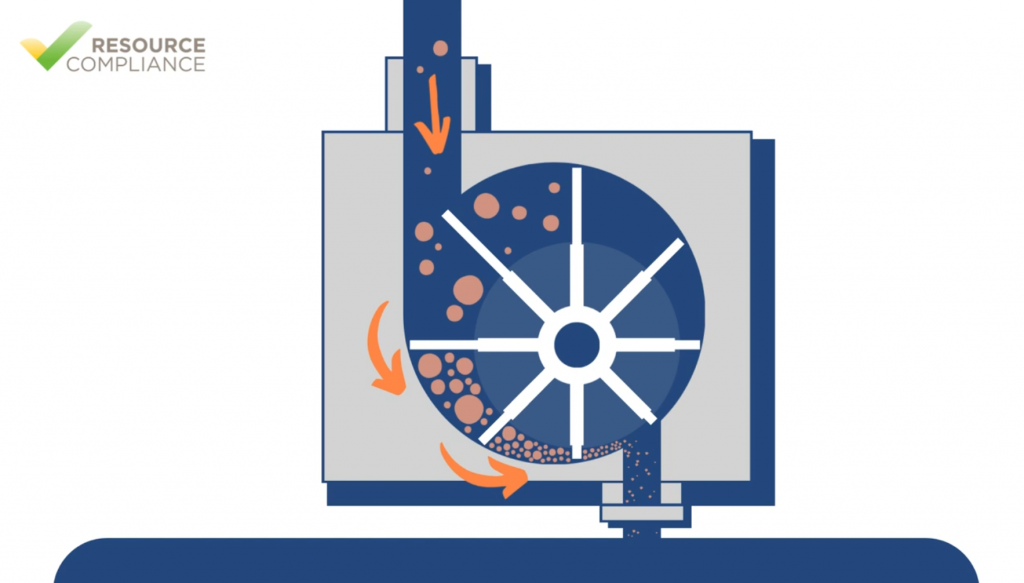
Like screw compressors, rotary vane compressors do not use suction and discharge valves to allow vapor to enter or exit the compressor. Instead, vanes are machined into the rotating rotor which allows them to move freely. Because the rotor is offset from the barrel, as the rotor spins, the vanes slide in and out resulting in a changing volume in the space occupied between the rotor and the barrel casing. The volume is at its greatest as the vane reaches the suction port. The vane then slides into the rotor as it spins, which reduces the volume and causes the pressure to increase.
As with screw compressors, because compression is accomplished solely through changing the volume, the gas leaving the compressor may be over or under-compressed. This results in inefficient system operation, but unlike screw compressors, rotary vane compressors do not have variable Vi capabilities.
Leave a Reply