
Refrigeration Cycle: Reciprocating Compressors
Reciprocating compressors are the most common type of refrigeration compressor.
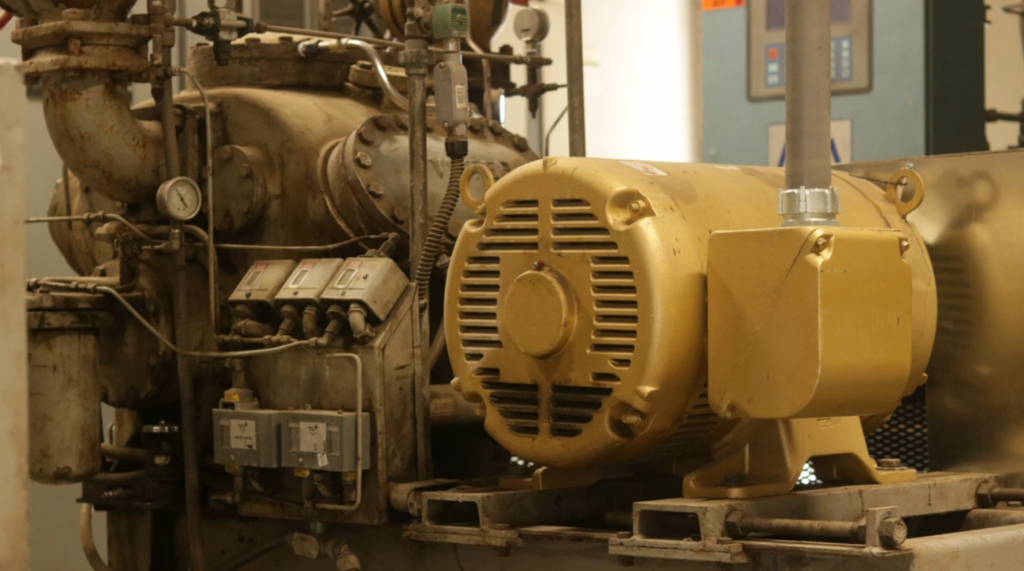
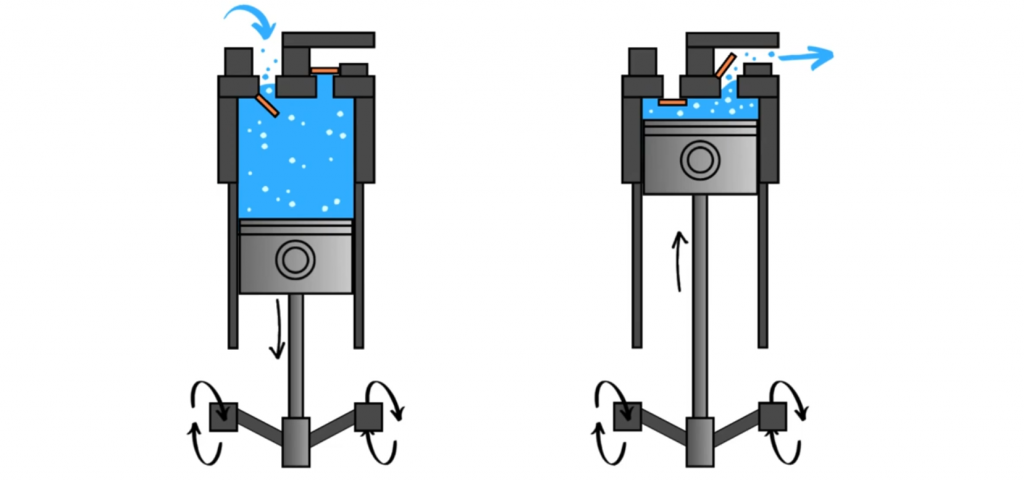
The design of reciprocating compressors since their adoption in the mid-1800s is similar to that of a car engine. In a “recip”, compression is accomplished in the same manner as a bike pump. When the piston is pulled to one end, the cylinder volume increases and vapor is drawn into the cylinder through a suction valve. Then, as the piston reverses direction, the cylinder volume decreases causing the pressure to increase. Once the pressure reaches a certain level, it causes the discharge valve to open and the compressed vapor exits the cylinder.
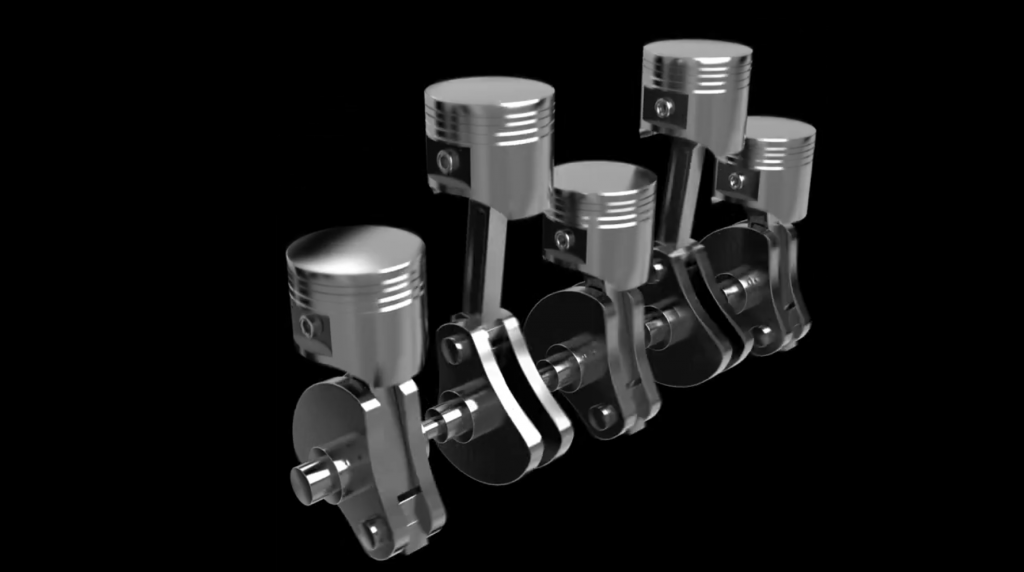
As the motor turns the crankshaft, the piston alternates between the top and the bottom of the cylinder in a ‘reciprocating’ manner, hence the name ‘reciprocating compressor’. Eventually, the pressure in the cylinder will exceed the discharge pressure which causes the discharge valve to open and the high pressure refrigerant vapor to be expelled from the cylinder.
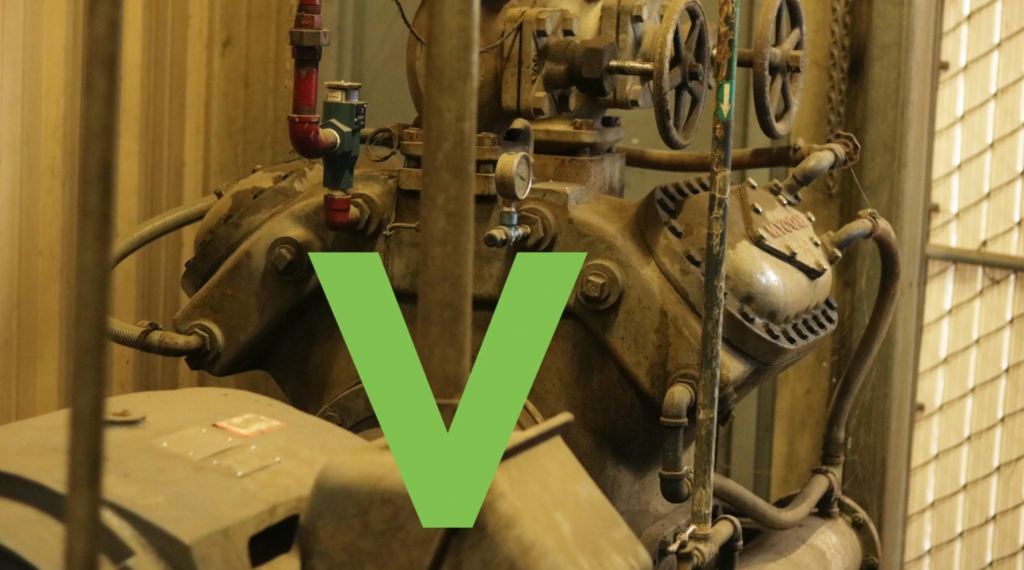
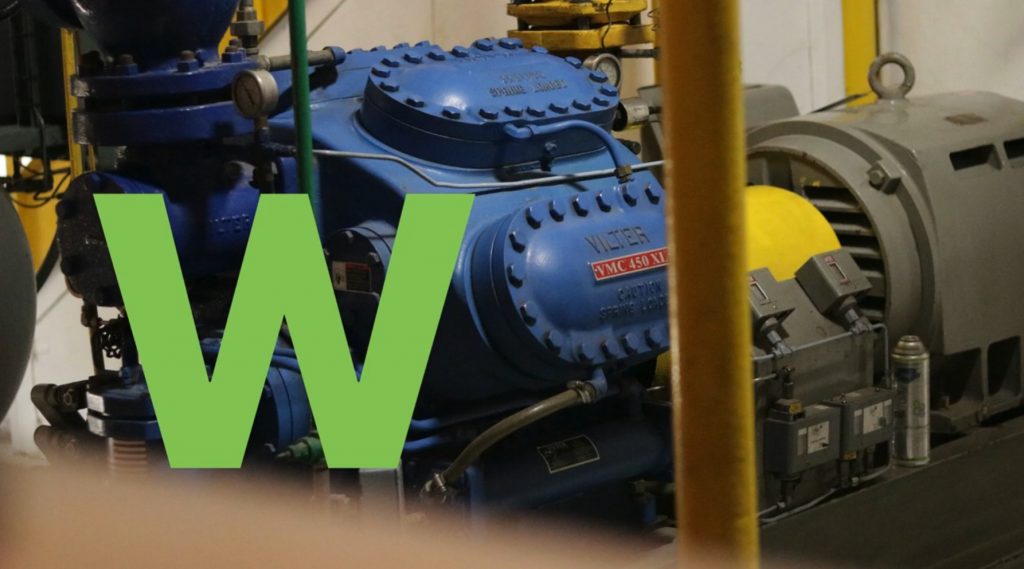
Modern reciprocating compressors have a ‘V’ or ‘W’ configuration which corresponds to the letter in the alphabet that the compressor body resembles when viewing the compressor from the shaft end. In the ‘W’ and ‘V’ machines that are used today, the pumping capacity is greatly improved by using a greater number of smaller cylinders with a shorter stroke. This allows the compressors to operate at rotational speeds of up to 1,800 RPM. So the overall CFM is much higher and the machines are significantly smaller.
The typical compression ratio for a modern reciprocating compressor is limited to 8 to 1. Compression ratio is the ratio of the discharge pressure to the suction pressure, where both pressures are measured in ‘psia’.
Leave a Reply