
Fundamentals of Refrigeration: Conduction, Convection, and Radiation

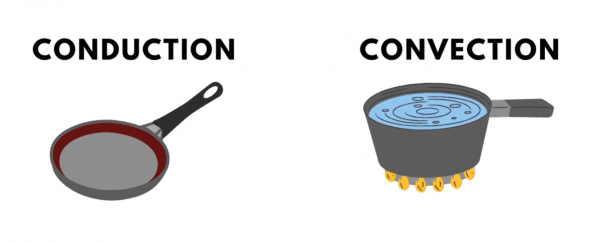
There are three distinct categories of heat transfer:
- Conduction
- Convection
- Radiation
Each of these heat transfer modes is important to understand. The first two modes, conduction and convection, require direct physical contact between the molecules of the substances involved in the heat transfer.
The third mode, radiation, is the transmission of heat in the form of electromagnetic waves or subatomic particles.

Refrigeration applications deal primarily with conduction and convection.
Conduction is the term applied when heat energy is transferred through a solid object. When a metal rod is placed in a fire, heat will transfer through the object, raising the temperature even on the end that is not in the fire. This is an example of conduction. Heat is traveling through the solid metal rod.
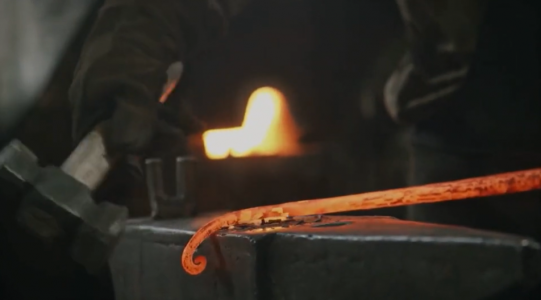
Some materials conduct heat more easily than others. Metals tend to be good conductors, while wood and plastic are poor conductors. Materials that do not conduct heat well are often called “insulators”. Insulating materials are used on pipes and buildings to prevent heat from entering or leaving the space.
Convection is similar to conduction, but involves the circulation of a fluid. The term “fluid” can be used to describe a liquid or a gas. “Natural convection” causes air movement without any external fan or pump. Cold air is heavier than warm air, which causes it to “sink” within a space. This creates a natural draft, as the warm air rises. “Forced convection” refers to the purposeful movement of a fluid to increase heat transfer. Fans on an air-cooling evaporator are an example of forced air convection at work in a refrigeration system.
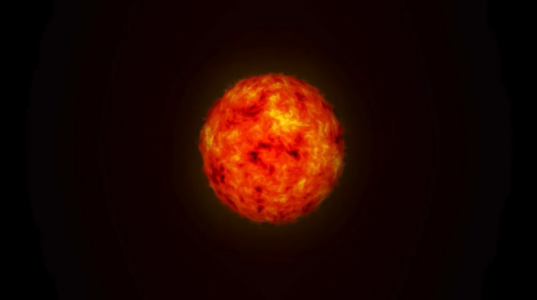
Radiation is the movement of heat through waves. When the waves contact an object, it causes the object’s molecules to move faster, resulting in a higher temperature as heat is absorbed. Infrared radiation is the means by which the sun heats the Earth’s atmosphere and surface. On a much smaller scale, microwave ovens utilize this form of heat transfer.
Leave a Reply